LeverAge COST Members Connecting Research, Practice and Students in Olomouc
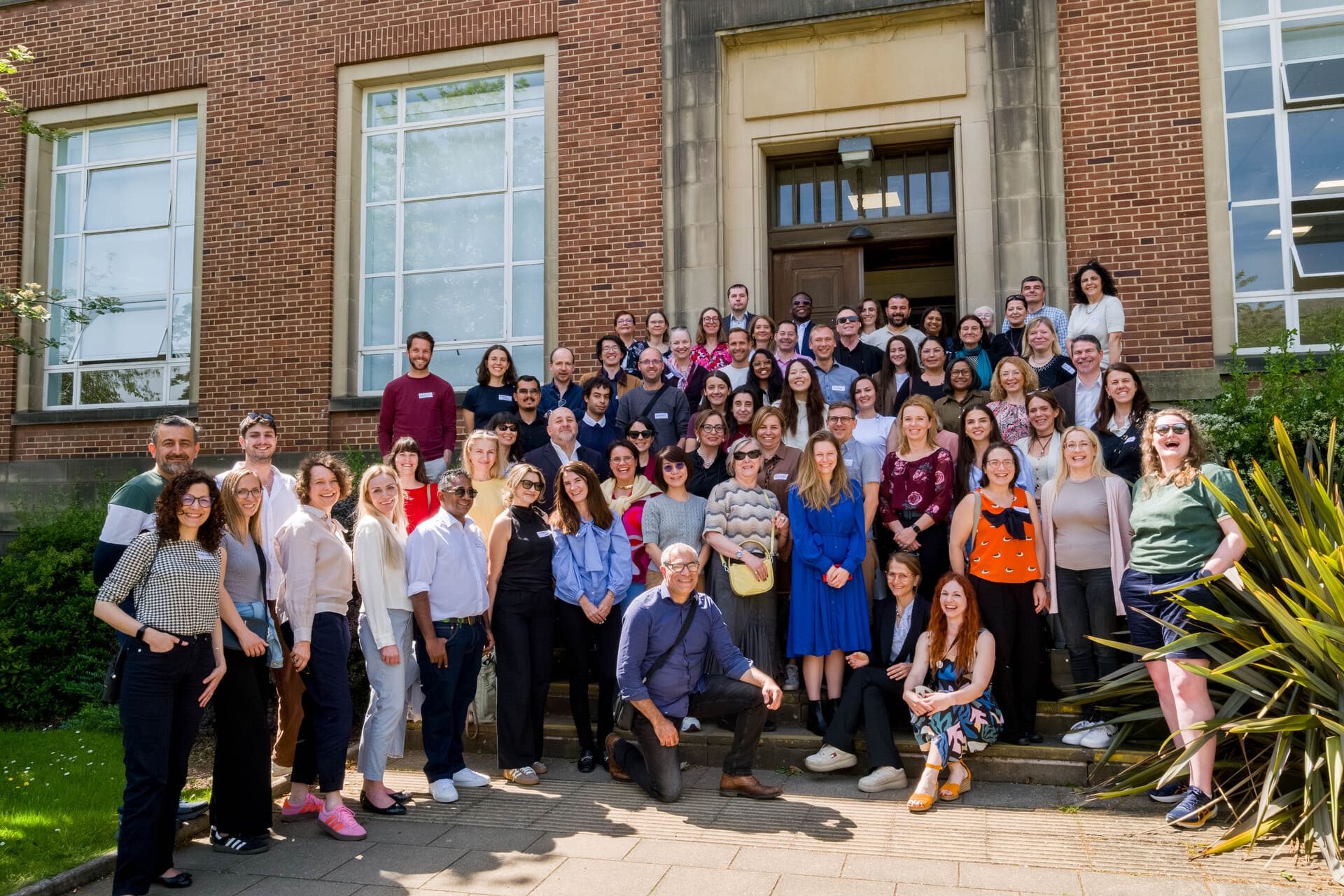
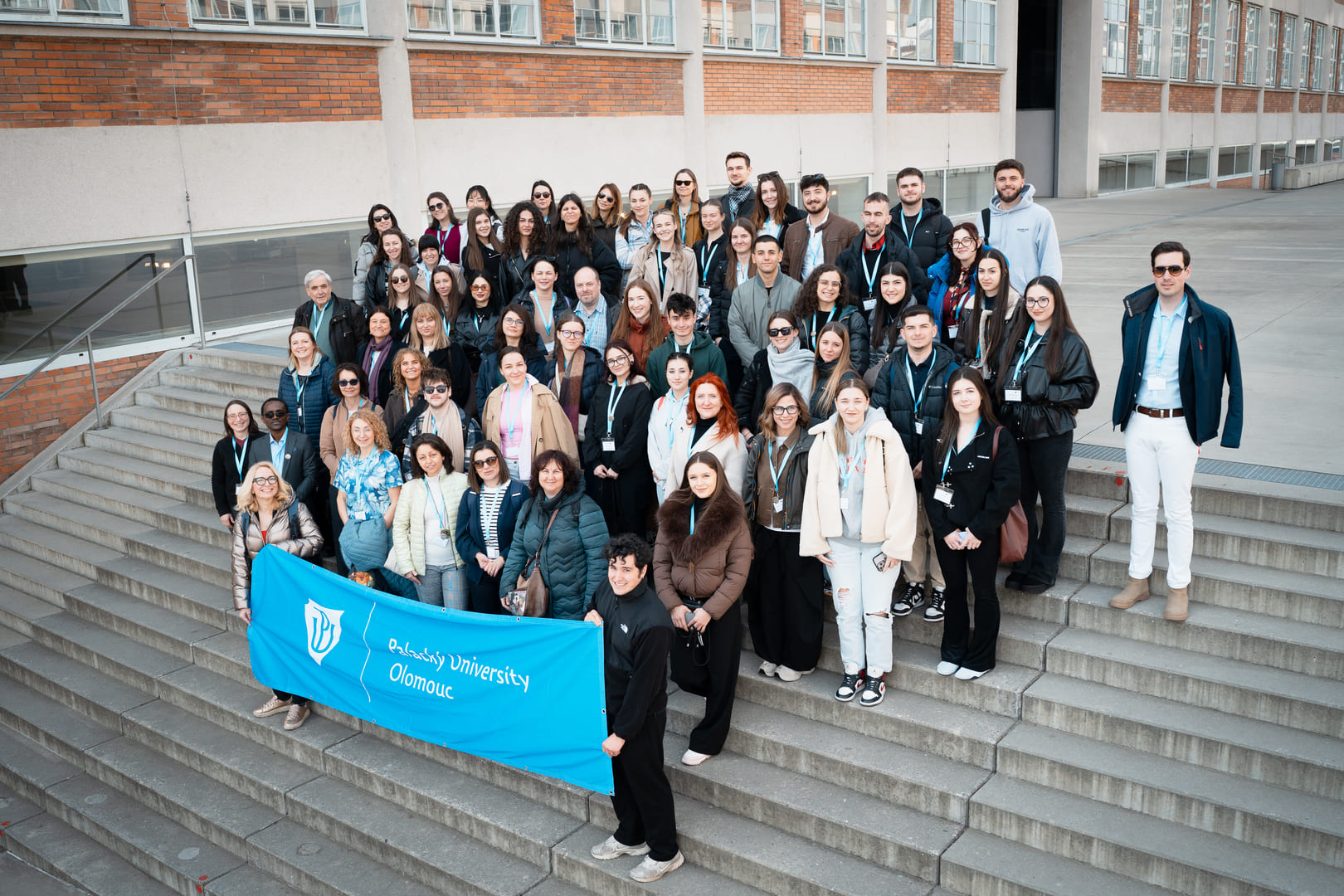
A joint effort by the LeverAge members (in alphabetical order) – Nikolina Dreven, Kyriaki Fousiani, Márta Fülöp, Jana Matošková, Berta de Maria Martin, Horia Moasa, Lilah Rinsky‑Halivni, Tatevik Sargsyan, Sanita Šaitere, Slavka Silberg, Katrine Sonneshein, Kalina Sotiroska Ivanoska, Stanislava Stoyanova, Lorena Pikl, and Michela Vignoli – along with other colleagues and practitioners in the field of ageing at work, as well as business leaders, resulted in an exclusive programme for students, held from 23 to 27 March 2026. Participants, academics and practitioners from 18 countries – including Spain, Norway, Italy, the Netherlands, as well as Armenia, Israel and others – came to share their expertise and research insights and to develop new forms of collaboration with students and with each other.
The Department of Psychology at the Faculty of Arts, Palacký University Olomouc, hosted the on‑site phase of two parallel Erasmus+ Blended Intensive Programmes (BIPs), which combined cutting‑edge knowledge on technology, work, ageing and people management with a strong focus on a people‑centred approach, meaningful work and ethics.
Under the shared motto “Learning and Curiosity are my superpowers!”, YRI´s, Master’s and PhD students in psychology, human resource management, sociology and related fields met in Olomouc to exchange experiences with academics and practitioners, discuss current challenges and jointly explore pathways towards a more sustainable future of work.
The first programme, “Empowering the future: Integrating technological advancements with a people-centred approach to enhance the meaningfulness of work”, focused on how advanced technologies – artificial intelligence, virtual reality and digital collaboration tools – can be integrated into working life in ways that do not undermine, but rather strengthen human values, social connections and ethical principles. Participants moved step by step from the perspective of the individual, through teams, to the organisational level: exploring personal talents, resources and resilience; examining team roles, communication, collaboration and leadership in hybrid settings; and analysing HR processes, agility and organisational learning in the context of digitalisation. Special attention was paid to how technology shapes the experience of meaningful work, employee well-being and the design of present and future jobs across the lifespan, as well as to intergenerational collaboration, competitiveness in diverse teams, conflict management and intercultural sensitivity as key competences in technology‑rich workplaces.
The second programme, “HRM and WOP strategies in a dynamic environment: Insights into organisational challenges from current research and practitioner perspectives”, provided a comprehensive overview of contemporary HRM and WOP strategies in rapidly changing, complex environments. Students engaged with principles of agile management, Management 3.0, and complexity theory, and used the Deeper Signals app to assess their core drivers and talents. Throughout the week, they worked on identifying their own motivators, values, individual and team resources, and developed a lifelong learning mindset. They drew inspiration from the legacy of entrepreneur Tomáš Baťa and discussed current HR challenges with practitioners, including digital transformation, engagement and ethical leadership. Teams were explored as “engines of adaptation”, and organisations were analysed as complex adaptive systems. Intergenerational collaboration, competitiveness, conflict management and intercultural sensitivity were addressed as crucial dimensions of organisational resilience and sustainable performance. Participants in both BIPs worked in intercultural teams and played team and business games in virtual reality environments. On the final day, participants integrated research findings, diagnostic tools and case studies to design ethical, sustainable responses to concrete organisational problems.
Both BIPs combined expert lectures, interactive workshops, business simulations, organisational visits, diagnostic and experiential activities, team projects and informal “café talks” with practitioners. The programmes emphasised critical thinking, intercultural and intergenerational collaboration, conflict management skills, personal development and the ability to connect technological progress with a values‑based, people‑centred approach to work. They strengthened participants’ readiness to contribute to ethical, inclusive and meaningful forms of work in diverse organisations and societies.
The close cooperation between CA members, academics and practitioners – and the opportunity to work together in person in Olomouc – has already generated multiple ideas and opportunities for future collaboration on international projects, joint publications, and further teaching initiatives through the LeverAge network.
Text: Dr Slavka Silberg, CA LeverAge YRI and BIPs coordinator
Photo: Jakub Čermák і organisers’ archive.